
The two-day RTTF event was already coming undone when it began on 10 January.
As Third Space’s first large-scale tourism expo, the event was meant to test its newly launched space rental services. Planning had begun six months earlier, in August: calls, meetings, appointments all stacking to reassure that things were falling into place. By September, days, timings, stall numbers, and layouts were marked “final.” Roles were defined, responsibilities split.
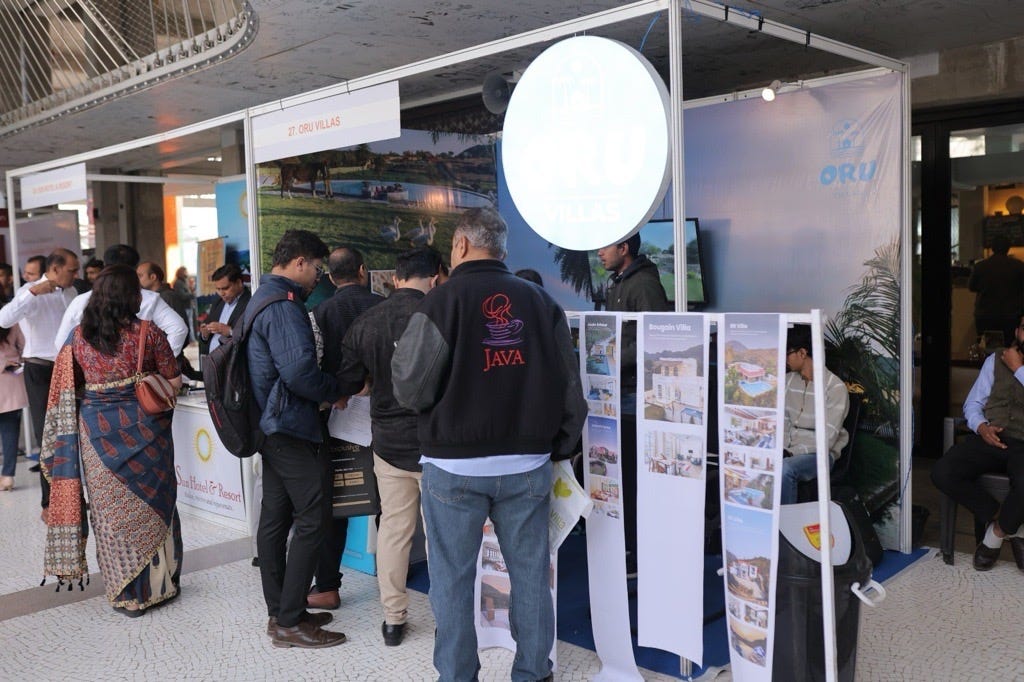
Aditya, from the partnership team, had been part of these conversations from the beginning, the one often translating discussions into agreements. He had seen how quick and efficient these decisions were.
Somewhere along the way, people left the organization and the conversations they had, with vendors, coordinators, or stakeholders, stayed behind as unwritten and half-remembered mental notes, often with the assumption that they would be revisited later. As the event approached, these fragments resurfaced.
In retrospect, Aditya says that part of this came from how the event itself had taken shape. Third Space had been chosen not just as a venue by well- known hoteliers, but as a familiar one. It was seen as neutral ground: well-connected, open and surrounded by familiar faces. That familiarity carried a laxity that things could be worked out, adjusted, and accommodated. This ease blurred lines as he was asked to circle back to former members of the team:
“Rohit sir had promised this, please confirm with him.”
“Ketan sir had agreed to this, please revisit this conversation with him.”
Aditya specifically remembers one stall owner pushed for extra chairs, additional extension cords, and a shift in layout all at the last minute. To make space for it, other stalls began inching outwards from their respective places. Slowly, it became harder to keep the learning spaces open for visitors, a decision that had once been non-negotiable. They stayed somewhere between partially blocked and hard to access during the event.
This did not go unnoticed. Conversations began surfacing across learning and visitor experience teams, with Rakesh, a lead member, at the centre of it all asking: what did it mean to keep learning spaces “open” if people couldn’t really enter them? What were visitors supposed to be told at the entrance?
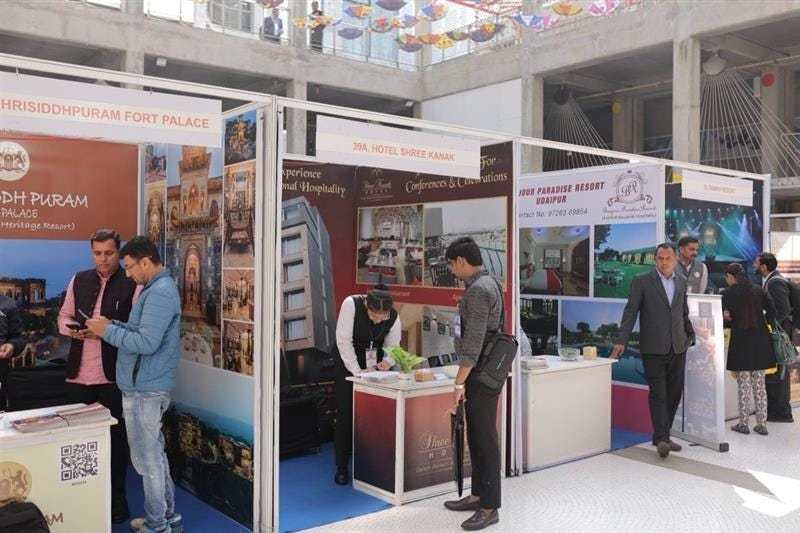
Aditya found himself in the middle of this, moving between stall owners asking for more space and teams trying to hold on to more of it. Each adjustment came back to him. Gradually, he saw his last-minute and much needed decisions strain Third Space’s setup.
To top it off, Aditya urged partnership team members encountering such issues to now start asking for agreements in writing. The shift was not smooth. What followed were too many slow and uneasy reconciliations: some demands fulfilled, some not.
A week before the event, a line was drawn by the RTTF committee and the partnership team: no new requirements will be accommodated.
On the first day, plans began to stretch. Some vendors mending the stalls doubled their prices. Wires were taped in ways that made the utility team doubtful. Someone paused at a socket and said, “This won’t hold,” and fire extinguishers were moved closer, just in case.
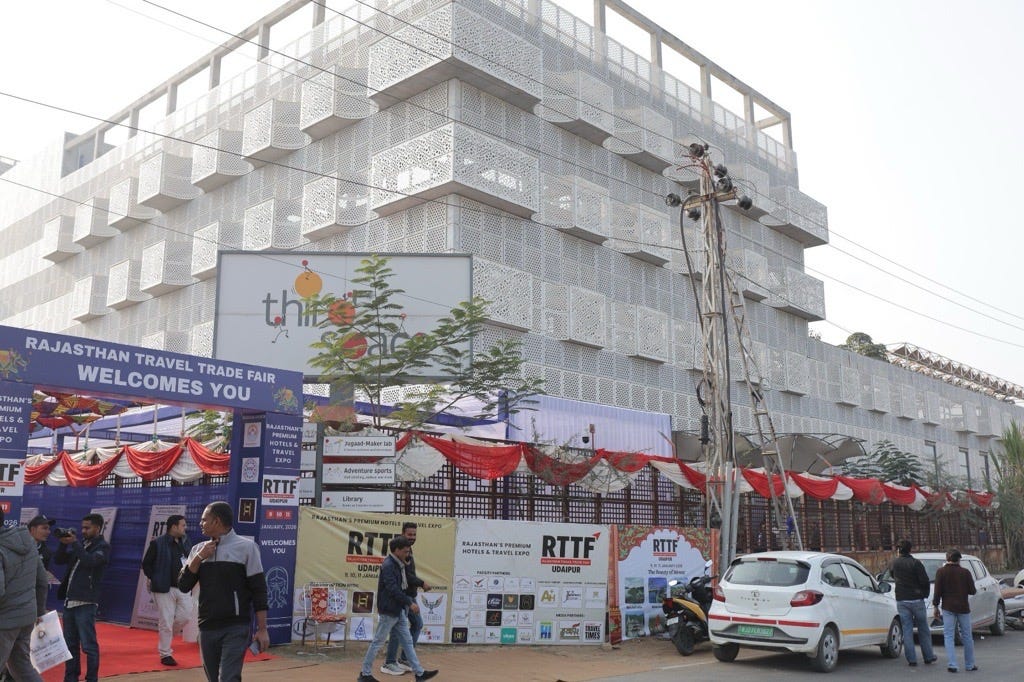
At the entrance, the slip was even more visible.
A stakeholder, member of one of the major hotel industries, was having trouble with the entry process,
“We’ve already given our guests ID cards. Why are you stopping them?”
“Because they don’t have Third Space bands.”
“It’s our event, we’ve rented the space and this is making people we invited uncomfortable” came the response.
Aditya was pulled into it almost immediately. He had spent days asking for clarity, here, none of that held as expectations collided in real time. An entry process that was otherwise almost too flawless started to show cracks under the pressure of a high-stakes event, a growing population of stakeholders and visitors and, ultimately, its own cumbersome and often manually run steps. For a moment, it felt like the process would collapse.
The response, however, stayed the same - no bands, no entry. Holding the entry line made things worse before they got better. At one point the team had to stop insisting crowds to stay in line and wait patiently. They stepped aside came to Aditya with a request, “Can you help us manage this?” He first paused to confirm that it was he who was needed at this make-or-break moment, then to look at the unsatisfied faces in front of him, and said, “Give me the bands. I’ll handle it.” For the rest of the day although the process didn’t change, the way it moved along the crowd of people did.
Next day saw a smoother flow. People walked through the space, talked, observed and engaged. As the event ended, the stakeholder who had been agitated earlier spoke to Aditya: “I shouldn’t have reacted like that. I think we’ve put together a successful event.” In the days that followed, his phone filled up with messages about the event – thank-yous, appreciation, notes about how well things had come together. He read them, one after the other, while still holding fragments of the event.
He could still picture the entrance crowding in, the insistence in people’s voices, the moment the process almost gave way. And the stalls rearranging the space.
And then, the things no one mentioned
The tighter walkways. Team members folding themselves into corners of a space they once moved through freely. Learning areas left “open,” but harder to enter forcing him to ask:
How much could they have accommodated without losing Third Space’s essence? Did they push hard enough?
Were the demands really unreasonable, or simply part of what it means to rent a space?
And, finally, in situations like these how do we prioritise the systems, beliefs and communities we have in place?